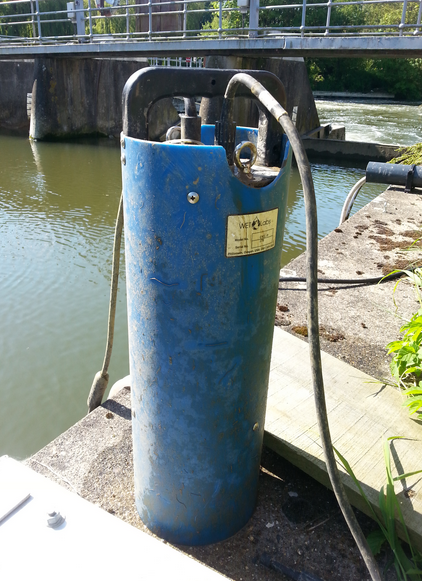
 Researchers at the UK’s Centre for Ecology & Hydrology (CEH) have conducted trials on the river Thames to evaluate a new remote phosphate monitoring technology (Cycle-P)as part of a high-frequency (hourly resolution) monitoring programme that is studying river nutrient concentrations and how they are affected by algal abundance. The monitoring system ran continuously over the summer of 2014,measuring total reactive phosphate levels in the river, day and night, seven days a week. These results have now been compared with manually collected samples that were analysed in a laboratory with the traditional Murphy and Riley spectrophotometric method on unfiltered samples, and Dr Mike Bowes, senior nutrient hydrochemist at CEH, says: “The Cycle-P is working really well; the system operated independently for long periods and produced results that tracked our lab samples closely.”
Most water quality parameters are relatively simple to measure with low-power accurate sensors. However, the measurement of phosphate necessitates colorimetric analysis and this presents a significant challenge in remote locations with difficult access or where mains power is not available. The Cycle PO4 from OTT Hydrometry (known as the Cycle-P) is therefore gathering considerable interest because it is battery powered and able to operate unattended in the field,running over 1,000 tests before a field service is necessary to change the reagents.



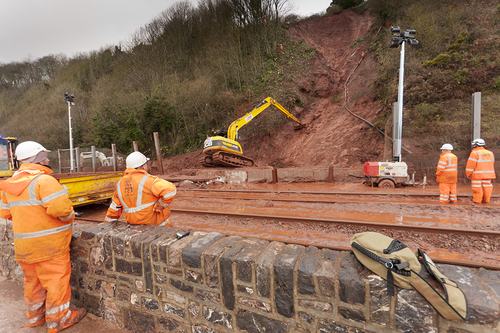 Handheld PID used for nightly monitoring of volatile organic compounds (VOCs) during on-site headspace testing of contaminated soil samples on railway contracts.
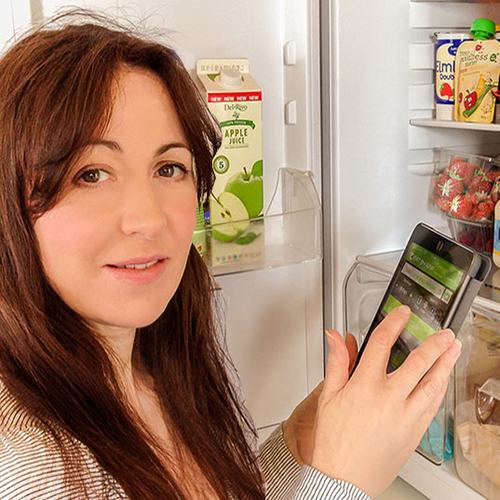 A major new money saving and environmentally beneficial smart kitchen app is due to be launched on the 2015 World Environment Day, Friday 5th of June. The hotly anticipated EatBy App has been tipped to become the must have app of 2015 as it promises to save it's users up to £700 every year and help reduce food waste.
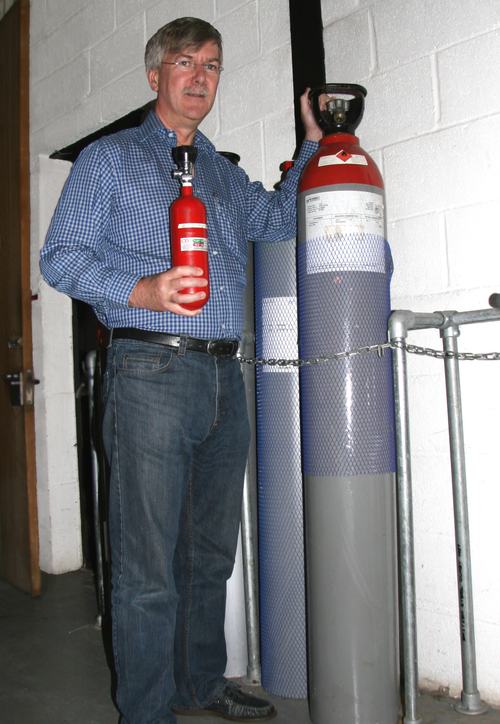 In a recent press release Quantitech Limited announced that the SICK 3006 is the only portable FID with MCERTS approval for using either hydrogen or hydrogen/helium fuel gas. This claim was challenged, but Sira Certification has confirmed that the 3006 passed the MCERTS performance requirements for both gas options.
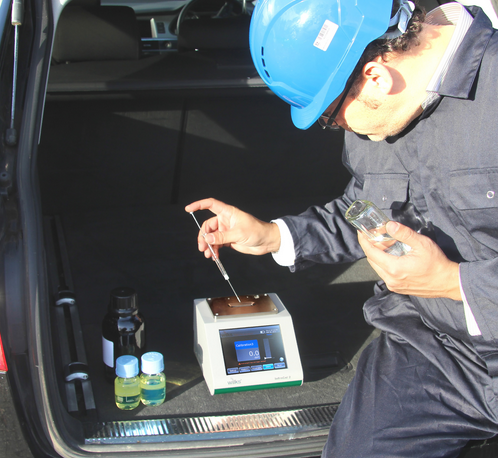 Quantitech first launched the InfraCal 2, a portable oil in water analyser, in 2013 and the company’s Dr Andrew Hobson says: “There has been a heavy demand for this instrument in the oil sector because of the new functionality that now comes as standard.The InfraCal2 can now be operated from an internal battery and also provides lower detection limits.